Photo courtesy of the Office of Governor Moore
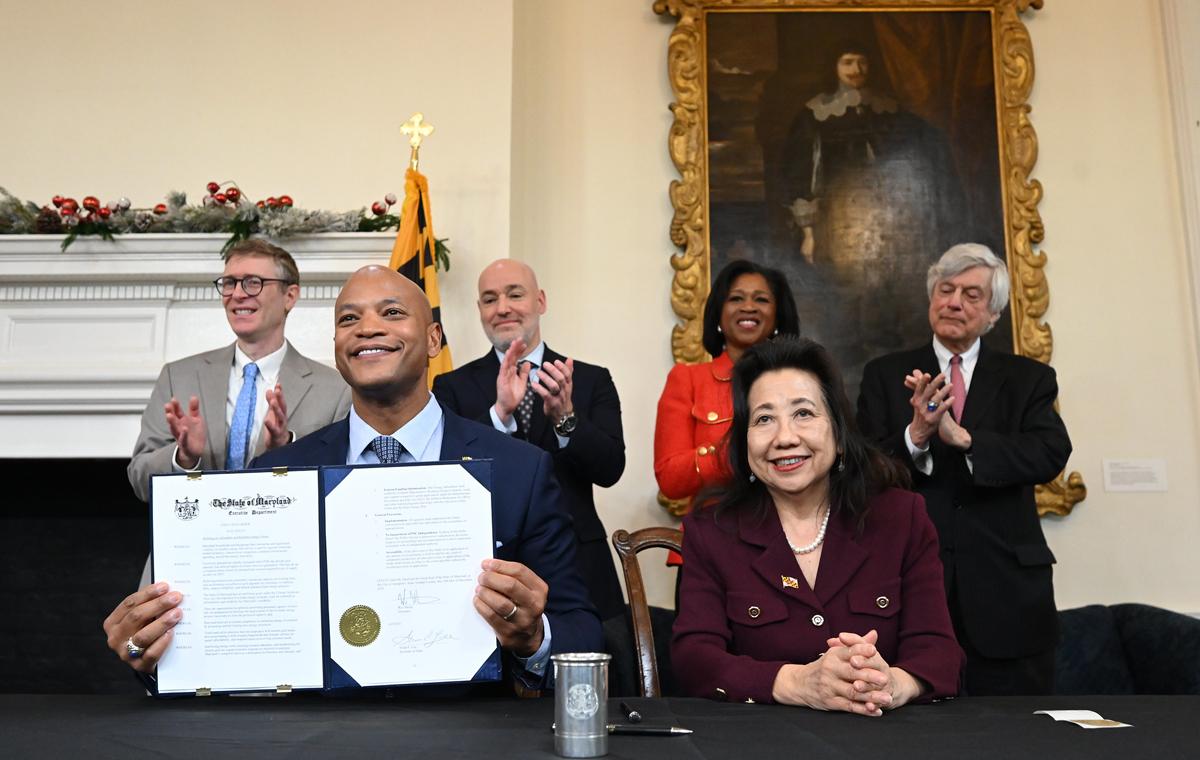
Last Friday, Governor signed a new executive order titled “Building an Affordable and Reliable Energy Future”, marking a step toward addressing rising energy costs and long-term reliability challenges across Maryland. With residential energy rates up 44% since 2020, the administration is attempting to take a whole-of-government approach to modernize infrastructure and strengthen accountability.
Governor Moore emphasized that energy policy has become deeply personal for Maryland families. While the executive order is not expected to lower rates in the immediate term, it is designed to attract new power development, expand supply, and put downward pressure on costs over time. “This order addresses the untenable system causing these costs to skyrocket. We are putting affordability and reliability at the center of the conversation to ensure our system works for the people who use it, not just the companies that run it.” said Gov. Moore.
The executive order advances four primary pillars to guide Maryland’s energy strategy:
- Protecting Ratepayers and Lowering Bills: The Maryland Energy Administration (MEA) will petition the Public Service Commission to review utility budget billing programs for transparency and consumer protection. The state will also prioritize lower-cost Non-Wires Alternatives and reward utilities for delivering solutions that are faster and more affordable.
- Modernizing the Grid with Advanced Technology: Utilities will be required to consider advanced transmission technologies before building new power lines, which will allow transmission owners to maximize the capacity of existing infrastructure. The Maryland Department of Transportation will also identify state-owned rights-of-way suitable for transmission and battery storage projects.
- Building Faster and Smarter: Through the Maryland Energy Site-Readiness Initiative, the state will publish a Smart Siting Inventory by 2027 to identify pre-vetted locations for energy projects, focusing on brownfields and industrial areas over green space. The Maryland Department of Commerce will support these sites with “Development Offer Packages” that bundle state resources to attract investment.
- Establishing Clear Leadership: The order creates an energy subcabinet, chaired by the Director of the MEA and a new MEA Council. The council, which will include utilities, labor, and consumer advocates, must identify deployment barriers and deliver recommendations within 180 days on the most urgent affordability and reliability challenges.
The administration’s approach also responds to regional challenges beyond Maryland’s borders. Delays in the PJM interconnection queue have slowed new power generation projects, including renewables. By streamlining permitting and coordinating leadership across agencies, Maryland aims to remain competitive, unlock new energy supply, and build a more affordable and reliable energy future for residents and businesses alike.