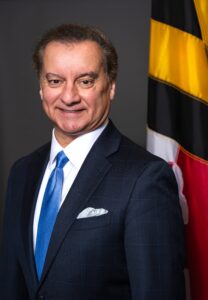
Maryland Governor Wes Moore proposed a $70.8 billion state budget that eliminates a projected $1.4 billion shortfall without increasing taxes. The proposal relies on a combination of targeted spending cuts, one-time fund transfers, and cost shifts.
“Through this budget proposal, our Administration is choosing to protect our people, focus on driving down costs for working families, and strengthen our state’s economic competitiveness—all without raising taxes or fees,” said Governor Moore.
In order to cover the gap, the administration plans to move money from a variety of dedicated funds into the state’s general fund. This will include $322 million from the state capital budget, by delaying or canceling some construction projects. The budget will also transfer nearly $300 million from the state’s Strategic Energy Investment Fund, $187 million from the Fiscal Responsibility Fund, and $145 million from the Rainy Day Fund, while preserving the funds at the levels recommended by the Spending Affordability Committee.
Local governments would also shoulder more responsibility with this budget proposal. Counties would assume an additional $39 million in retirement costs for teachers, librarians, and community college employees, shifting part of the burden currently shared with the state.
Despite these reductions, the budget maintains or increases funding for several priority areas. Highlights include: $124 million for law enforcement; $414 million for the Child Care Scholarship program; $32 million for the ENOUGH Initiative, which targets child poverty; $10.2 billion for K-12 education; and targeted investments in economic development, which include funding related to the Sphere project proposed for National Harbor.
By the numbers: How Gov. Moore wants to solve a $1.4 billion budget hole
5 takeaways from Gov. Wes Moore’s budget proposal
Moore budget would tap energy fund, cut spending to close $1.4 billion shortfall
Leaders in Annapolis promise no new taxes despite budget shortfall
Moore’s fourth budget uses cuts, fund shifts to close $1.5 billion budget gap
FY 27 Operating Budget Volume 1
FY 27 Operating Budget Volume 2
SB 283 (HB 391) Capital Budget Bill
SB 284 (HB 392) Budget Reconciliation and Financing Act of 2026